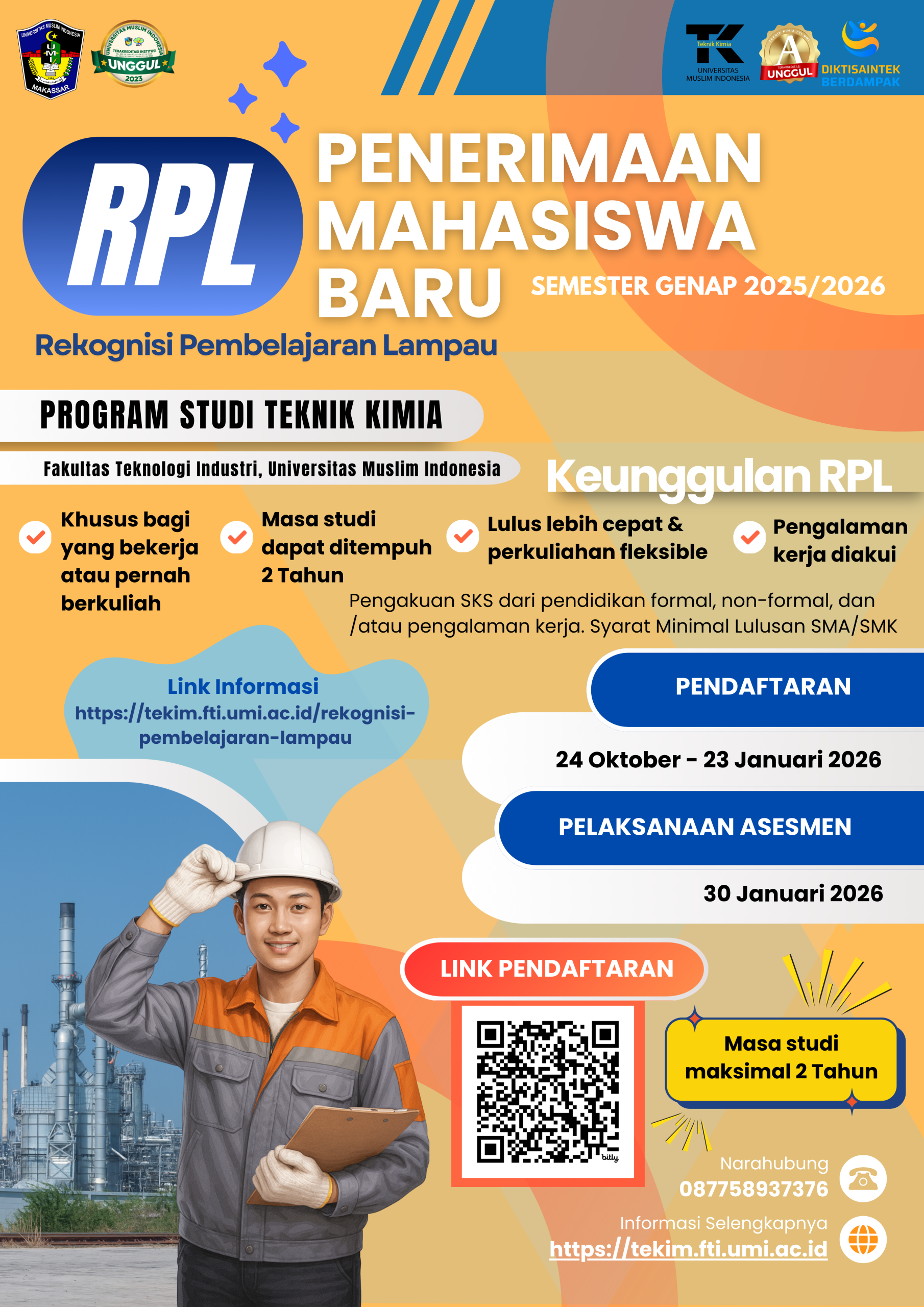
Higher education has a strategic role in developing superior and professional human resources (HR). As the world of work develops and demands higher qualifications, the need arises for mechanisms that can bridge practical experience with formal education. Recognition of Past Learning (RPL) is present as an important innovation in Indonesian higher education which allows recognition of a person's learning achievements from various channels, including formal, non-formal, informal education and work experience. Through government policy, specifically Minister of Education and Culture Regulation Number 41 of 2021, work experience and non-traditional learning can be converted into Semester Credit Units (SKS) in accordance with applicable regulations. In other words, RPL is an official recognition of competencies that have been obtained outside of college, which can be used as a basis for continuing formal education and equalizing certain qualifications.
As part of the Recognition of Past Learning (RPL) registration process, each prospective participant is required to prepare and submit the supporting documents required to verify identity, academic qualifications, as well as a track record of work experience and previous learning achievements. The documents that need to be prepared include:
- Resident Identity Card (KTP) or other official identification that is still valid.
- Family Card (KK).
- Latest photo size 3×4 (Red background).
- Final academic diploma and transcript.
- Curriculum vitae (CV) containing work experience, education and training attended.
- Training certificates, workshops or courses that are relevant to recognized scientific fields or competencies.
- Work experience certificate from the agency, institution or company where you work.
- Portfolio of work or other supporting documents that show real evidence of learning achievements and competencies that have been possessed.
All documents are compiled in digital format (PDF) and uploaded viaRPL registration systemin accordance with the provisions in force at the organizing institution.